A Comparative Ultrastructure Study of the Tardigrade Ramazzottius Varieornatus in the Hydrated State, after Desiccation and during the Process of Rehydration
Abstract
Tardigrades can survive hostile environments such as desiccation by adopting a state of anhydrobiosis. Numerous tardigrade species have been described thus far, and recent genome and transcriptome analyses revealed that several distinct strategies were employed to cope with harsh environments depending on the evolutionary lineages. Detailed analyses at the cellular and subcellular levels are essential to complete these data. In this work, we analyzed a tardigrade species that can withstand rapid dehydration, Ramazzottius varieornatus. Surprisingly, we noted an absence of the anhydrobiotic-specific extracellular structure previously described for the Hypsibius exemplaris species. Both Ramazzottius varieornatus and Hypsibius exemplaris belong to the same evolutionary class of Eutardigrada. Nevertheless, our observations reveal discrepancies in the anhydrobiotic structures correlated with the variation in the anhydrobiotic mechanisms.
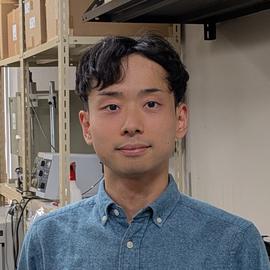
Akihiro Tanaka
Assistant Professor
I aim to elucidate the molecular mechanisms of anhydrobiosis—how organisms sense desiccation, survive extreme dehydration, and recover upon rehydration.

Takekazu Kunieda
Professor of Extreme Biology
My research focuses on biological resilience in extreme environments and the synthesis of artificial life.